
the first [lee] bag
I was 27 (2017), in architecture school, and searching for the perfect bag that represented the aspiring architect I was becoming. I wanted it to embody my design style, refined functional ideas, and love for material quality.
I didn’t find anything (in my budget), so I decided to make one. I knew how to sew, I had made many things for my home, how difficult could it be?
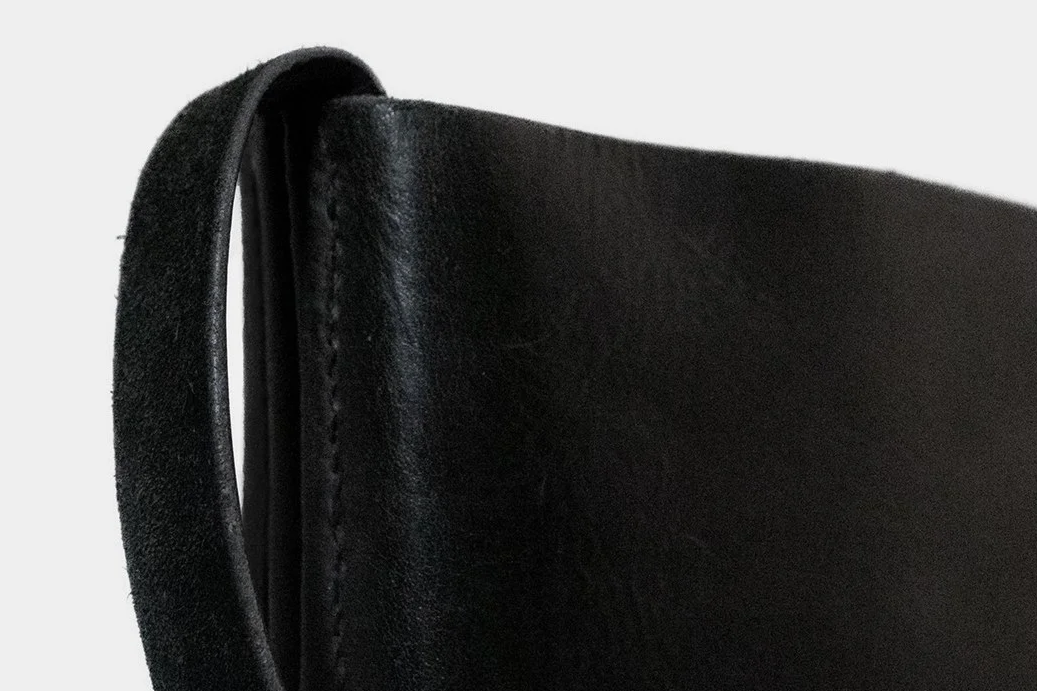
The first Lee bag
I started watching YouTube videos, planned out a design, and roughly made a pattern based on my basic knowledge of sewing patterns. I bought a piece of leather and a couple of hand tools. I slowly designed and constructed the bag over many weekends in the summer. I needed a chisel punch to create the holes for sewing, some proper needles, and thick 1mm polyester thread. I later went back and purchased some items to burnish and finished the exposed edges of the leather.
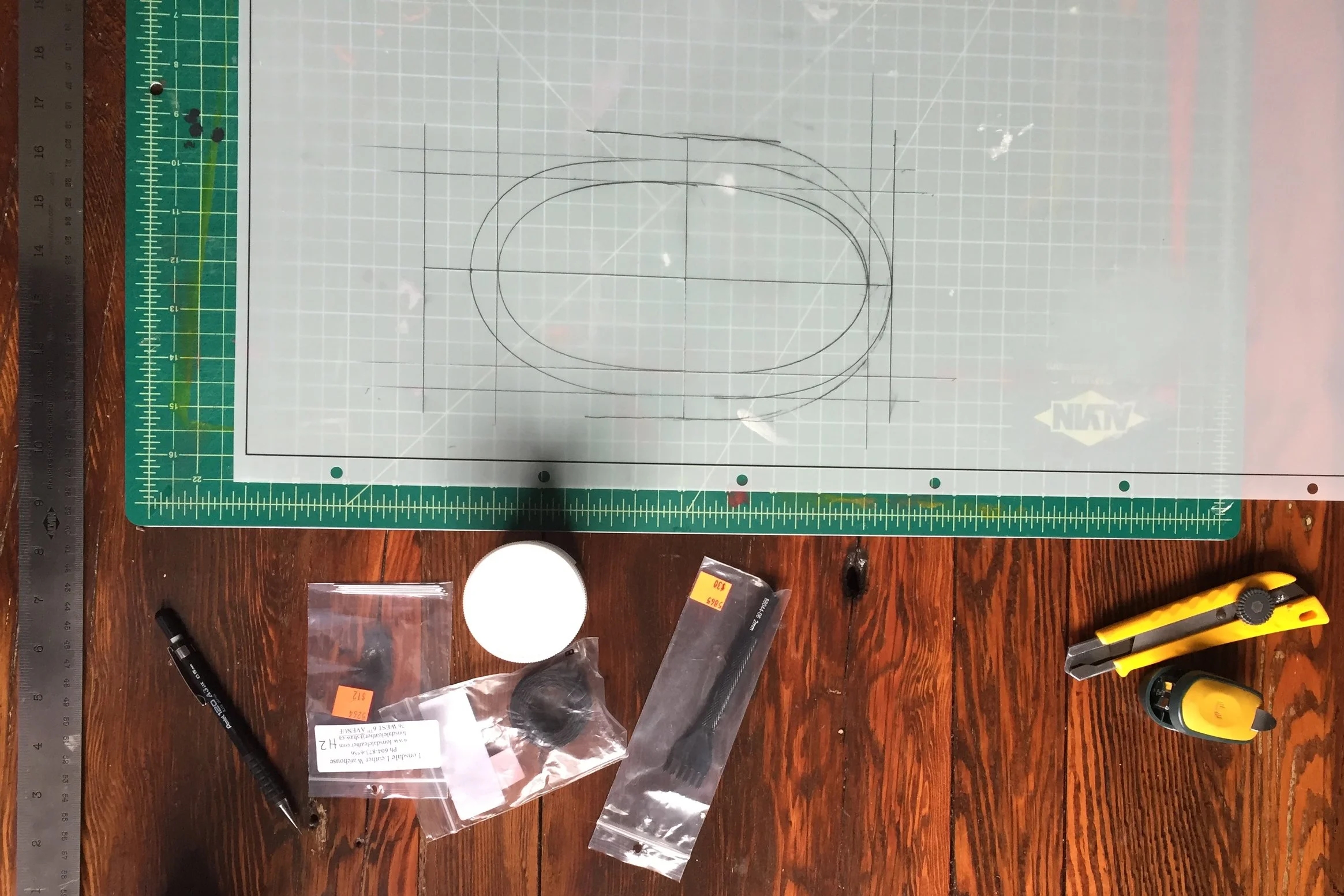
Pattern making, tools
There was a scar in the middle of the leather hide, and I wanted to celebrate it on one side of the bag. This was my first experience with full-grain vegetable-tanned leather. Full-grain means they don’t shave off the top layer of the leather - this is often done to create a more even surface. But then you lose all the natural character and durability. The vegetable tanning process felt deeply rooted in tradition and local commodity. It felt slow and thoughtful. This process was designed to create beautiful materials that would only become more beautiful over time - there was nothing fast or capitalistic about it. I was inspired and curious - these processes felt very in line with the type of architecture that called to me; design that lets each material speak for itself, design that reveals their natural character.
These processes have guided my mission while growing my business - design that is guided by material, over trends; crafted for everyday use, and made to become more personal and beautiful over time.
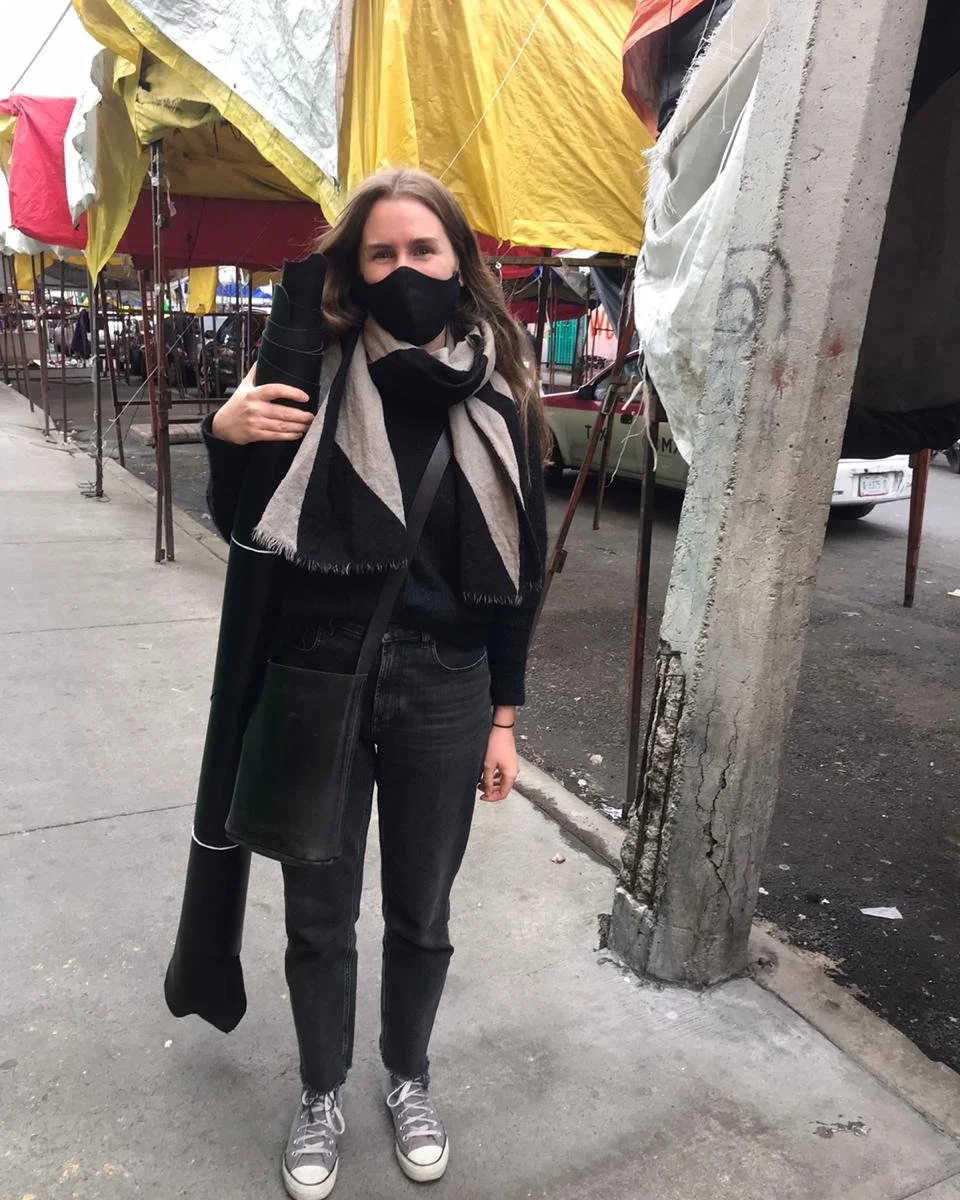
Sourcing leather in Mexico City - Tepito
I took my bag with me everywhere - daily to work, going out, it went to Europe with me during the following semester, where I lived in the Netherlands and studied Landscape Architecture, and every weekend trip to a new town or neighbouring country. I still use it when I go to the city, 7 years later.
I was sitting in an architectural meeting in Mexico City (2020), on the roof of this beautiful old building with winding staircases, generous courtyards, and plants everywhere. We were turning this tiny concrete room into a meditation space that would also be used as a bar during events. The client picked up my bag from the table and asked who it belonged to and where they got it. After that, I made him three bags and helped him with some personal interior design projects during the pandemic. This felt like a turning point for me and my leather career.
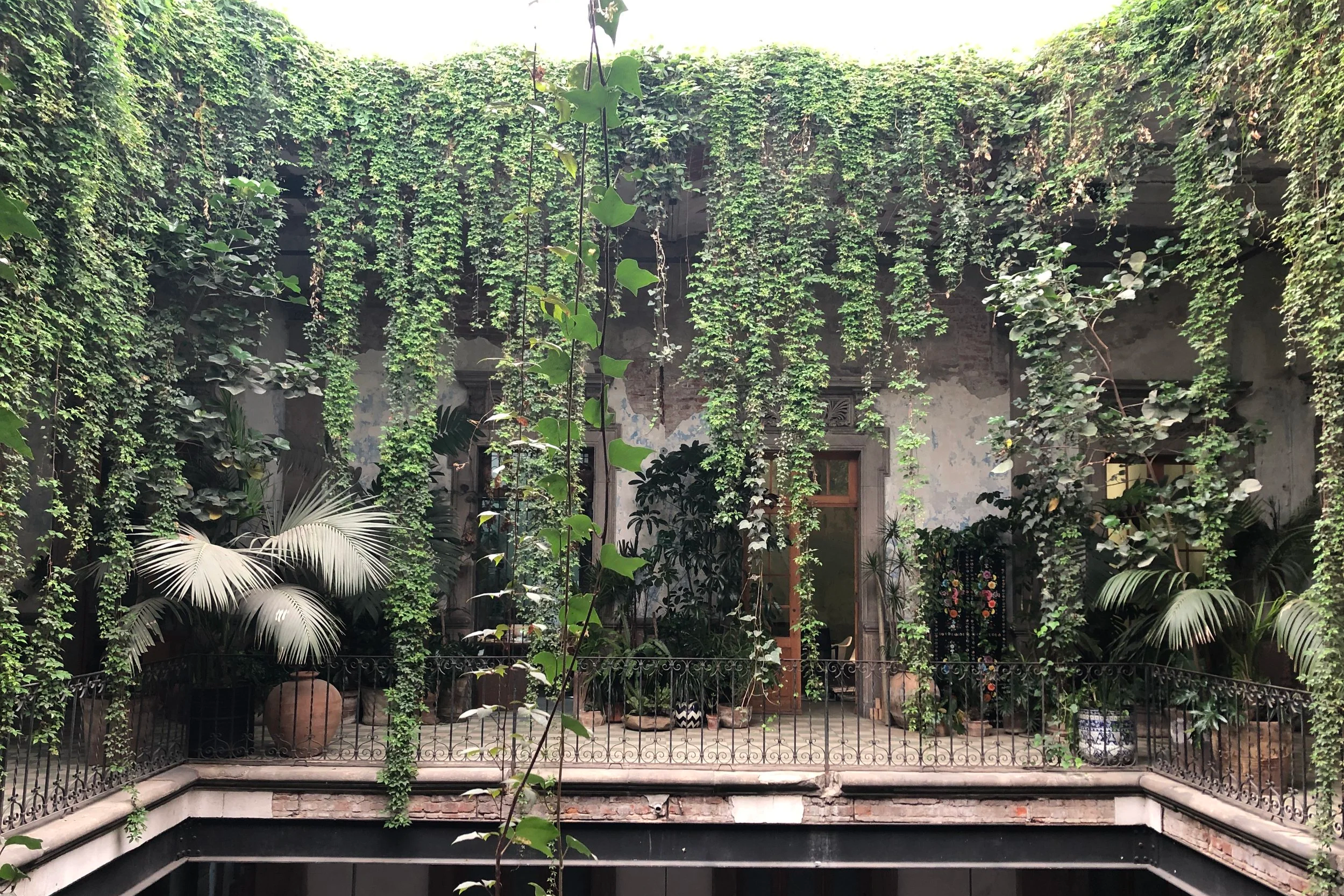
General Prim, Mexico City
Writing about this bag, 7 years later, brings light to all of the aspects that made me fall in love with creating leather goods. These ideas have continued to drive my design strategies and have shaped my business into something I had never even dreamed of, and I am so grateful for that.
